Cooking is an art that requires precision and finesse, especially when it comes to juggling between different units of measurement for liquids. Recipes can vary by presenting quantities in milliliters or centiliters, sometimes leaving the amateur cook perplexed. Knowing how to quickly convert these measurements is essential for successfully preparing dishes without getting lost in conversions. Fortunately, there are simple tips that allow you to switch from milliliters to centiliters and vice versa, without needing a calculator or complex measurements. These conversion tips are valuable tools for anyone looking to master the culinary art with ease.
Understanding and Applying Conversions from Milliliters to Centiliters
The metric system, with its decimal base, allows for easy conversion of volume measurement units. Converting milliliters to centiliters boils down to a simple manipulation: divide by 10. 1 milliliter (mL) equals 0.1 centiliter (cL). This linear relationship greatly simplifies calculations: to convert 400 ml to centiliters, simply divide the number of milliliters by 10, resulting in 40 centiliters.
Conversely, converting centiliters to milliliters involves multiplying by 10. One centiliter corresponds to 10 milliliters. This direct equivalence, stemming from the structure of the metric system, eliminates any complexity in handling these measurement units. Whether you are following a cooking recipe or conducting an experiment in a lab, mastering these conversions is crucial.
You need to understand the relationship between the different measurement units within the same system. One liter (L) contains 100 centiliters (cL), and one deciliter (dL) equals 10 centiliters. This information, rooted in the decimal logic of the metric system, allows for smooth navigation between milliliters, centiliters, deciliters, and liters. With these references, conversions become basic operations, accessible to everyone, without the need for sophisticated tools.
Tips for Easily Converting Liquid Volumes
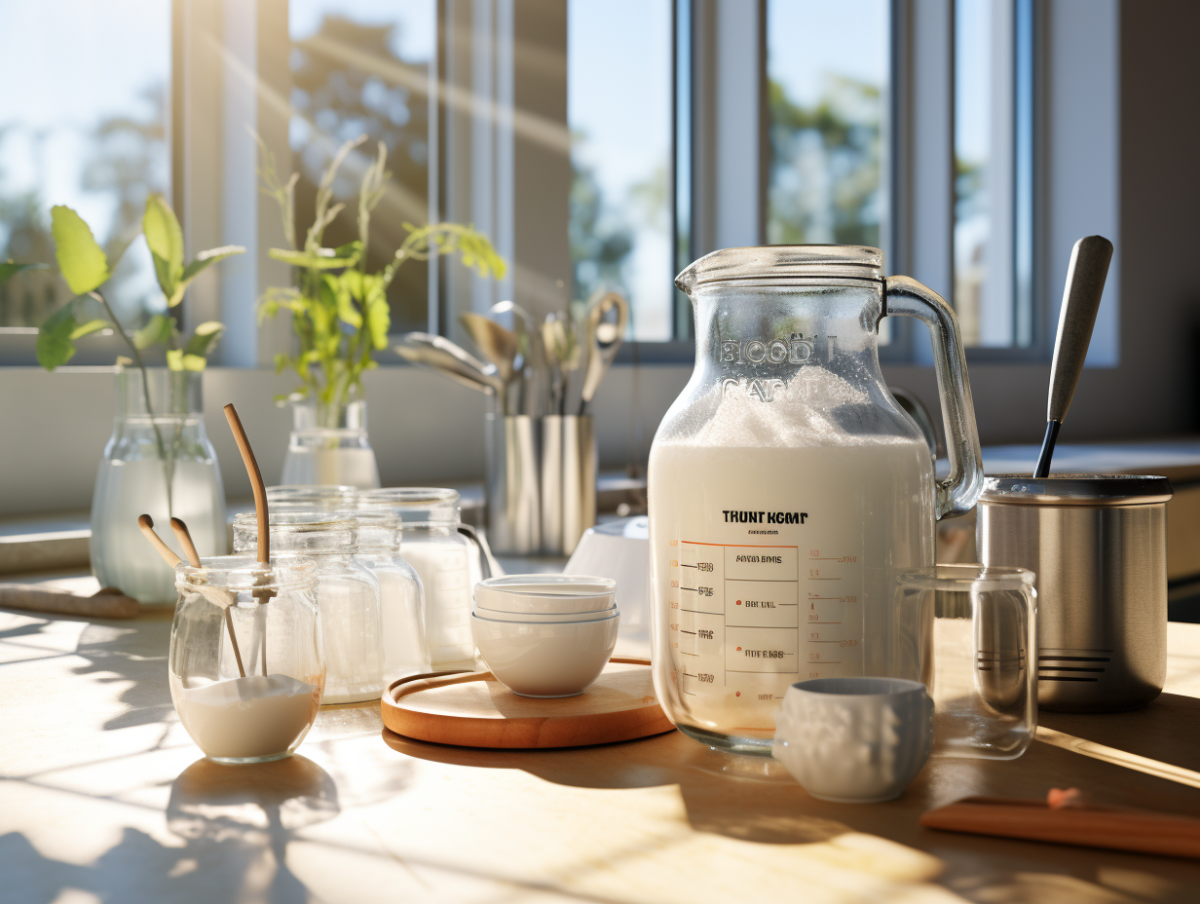
In the world of cooking as well as in the laboratory, converting liquid measurements is a daily exercise. For the baking enthusiast or the chemistry student, precision is key. Simple tools such as measuring cups or measuring spoons are essential for measuring liquids or small quantities with an acceptable approximation. These instruments, often marked in milliliters and centiliters, contribute to essential accuracy, whether for ingredient dosing or conducting experiments.
For measurements requiring greater accuracy, graduated cylinders and syringes offer superior performance. These devices ensure meticulous dosing, fundamental in fields where the margin of error is minimized, such as medication dosing or creating precise mixtures in the lab. These tools, by providing exact values in milliliters and centiliters, prevent inaccuracies that could compromise the final result.
Modern technologies have enriched the arsenal of conversion methods with online conversion tools, specialized calculators, and mobile applications. These digital resources, accessible via smartphones, tablets, or computers, allow for conversions between different volume measurement units in just a few clicks. Whether tackling a recipe that requires precise measurements or a scientific manipulation, these online aids prove to be reliable companions for navigating the world of liquid volume conversions with ease.