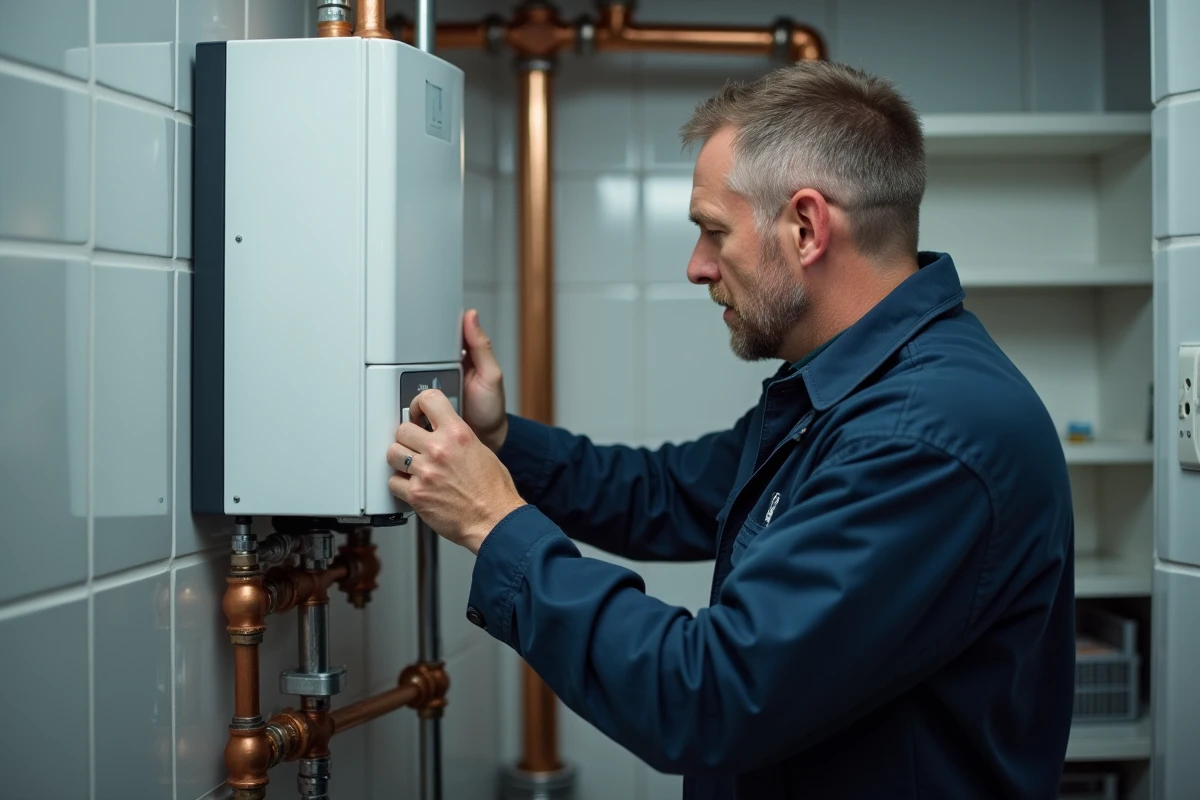
Installing a high-performance boiler is no small task: despite regulations, many older homes still slip through the cracks. And the promised efficiency on the brochure? An appealing figure that can sometimes disappoint once the boiler is in daily use.
With the plethora of models, technologies, and control systems, it can be hard to navigate. Price variations do not clearly delineate between actual efficiency and daily comfort. Assistance programs, on the other hand, change the game year after year, constantly reconfiguring the financial balance of a boiler replacement.
Overview of gas boiler technologies: understanding the differences and recent innovations
In recent years, the gas boiler sector has taken a sharp turn, driven by the quest for energy efficiency and the pressure of increasingly strict regulations. The condensing boiler now holds the upper hand: by harnessing the heat contained in the flue gases, it allows for a reduction in gas consumption of about 30% compared to a standard model. Compatible with natural gas or propane, it does require a suitable discharge for condensates.
There are still other options, although they are less common. Low-temperature boilers remain present in older buildings. Hybrid versions combine a condensing gas boiler with a heat pump, modulating consumption based on the weather or energy costs. Among the new developments, micro-cogeneration produces both heat and electricity, while the pulsating gas boiler, quieter and less polluting, offers a burst combustion method.
On the features side, many models today include connected regulation, a modulating burner, or compatibility with green gas. Some even display the H₂ ready label, preparing for future hydrogen use. For domestic hot water, three solutions persist: micro-accumulation for limited needs, integrated tanks for families, or instantaneous production when every square meter counts.
To detail these differences and assess performance, the comparison of the best gas boilers remains a reference for professionals and property managers seeking reliable solutions.
What criteria should you prioritize when choosing a gas boiler truly suited to your home?
Before making a choice, it is essential to accurately assess the power your home needs: surface area, insulation, configuration… An oversized boiler consumes more than necessary, while an undersized boiler may struggle, especially in winter. For domestic hot water, micro-accumulation is sufficient in small households, while integrated tanks appeal to families, and instantaneous production is necessary when space is limited.
Several technical criteria deserve attention: efficiency, energy class, compatibility with natural gas or propane, and the possibility of transitioning to hydrogen (H₂ ready). Options like connected regulation or a modulating burner help optimize heat management and reduce consumption.
Regular maintenance, availability of spare parts, and the quality of after-sales service should also be closely monitored. The manufacturer’s reputation should not be overlooked when selecting a model.
The acquisition, installation, and maintenance costs should be considered in relation to the value for money and existing assistance programs. MaPrimeRénov’, CEE bonuses, eco-PTZ, or the Coup de pouce Chauffage scheme can significantly lighten the final bill. Request a detailed quote to have a clear view of the budget to plan and make an informed choice.
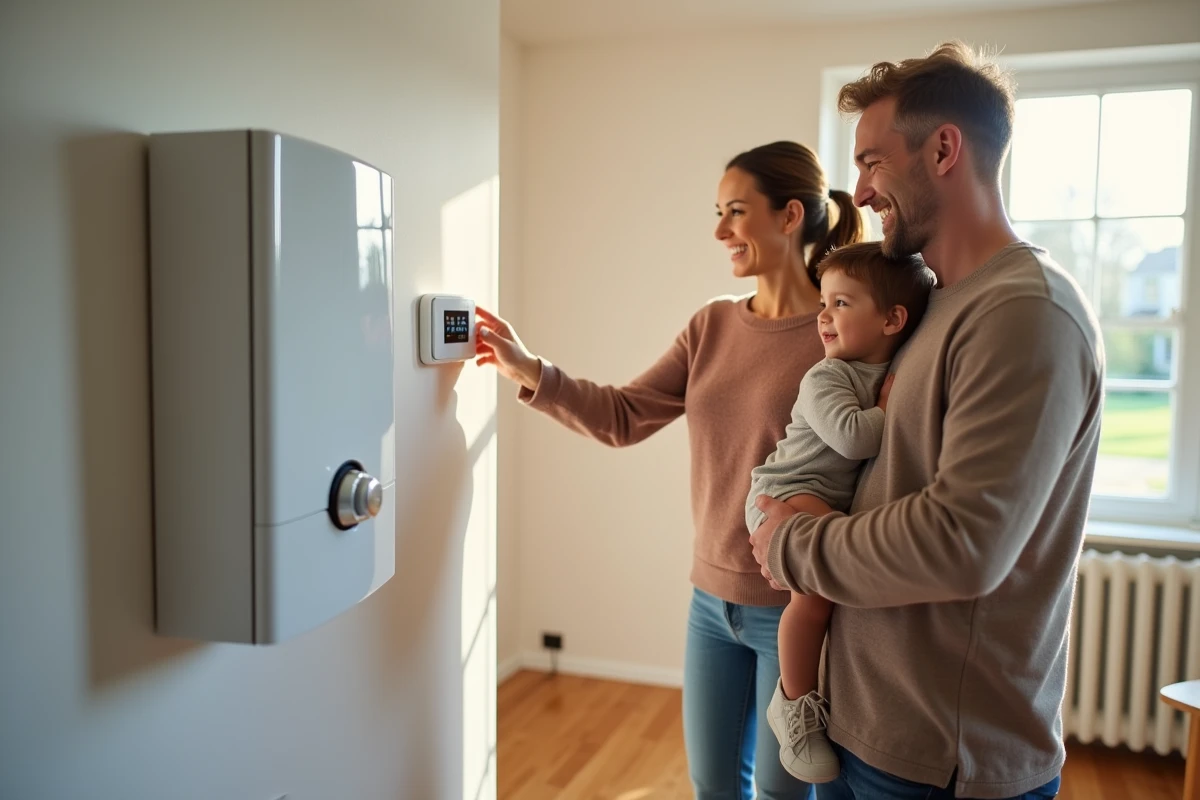
2024 Comparison: performance, prices, and financial assistance for the best gas boilers on the market
In 2024, the condensing boiler undoubtedly stands out for its performance and energy efficiency. This system, now essential, boasts an efficiency greater than 100% based on the lower calorific value, resulting in substantial gas savings. For specific needs, micro-accumulation ensures hot water is available quickly; the integrated tank is aimed at those who use the system continuously.
The question of price remains crucial. An installed condensing boiler typically costs between €3,000 and €6,000. Classic versions, now in the minority, range from €500 to €2,500. For hybrids that combine a heat pump and gas, the investment is around €7,000. In terms of longevity, expect 15 to 20 years, provided annual maintenance is adhered to.
Here are the main assistance programs to know in 2024 to offset the investment:
- MaPrimeRénov’: up to €1,200 for a THPE gas model
- Energy bonus (CEE): variable amount, cumulative depending on projects
- Eco-PTZ and Coup de pouce Chauffage: possible additional loan or bonus
Choosing a gas boiler also involves checking compatibility with green gas and preparation for hydrogen (H₂ ready). Manufacturers now offer equipment capable of anticipating the next regulatory wave while maintaining the simplicity of a high-performance central heating system.
Changing your boiler is also betting on the future: efficiency, savings, and adaptability, so that comfort is never a compromise again.