French women’s fashion is entering a phase of renewed confidence. After several seasons dominated by minimalism, the Fall-Winter 2026-2027 runways are bringing back more structured silhouettes, less conventional color palettes, and a new approach to clothing that sees repair as an extension of personal style. Putting together an elegant everyday outfit is about more than piling on neutral basics: it means balancing cut, color, fabric, and durability.
Fall-Winter 2026-2027 color palette: shades that replace black in everyday outfits
Black remains a go-to, but the runways are pointing in other directions. The Tagwalk data reported by Vogue France puts plum and rust among the season’s standout shades, while charcoal gray is gaining ground as a subtle alternative to head-to-toe black.
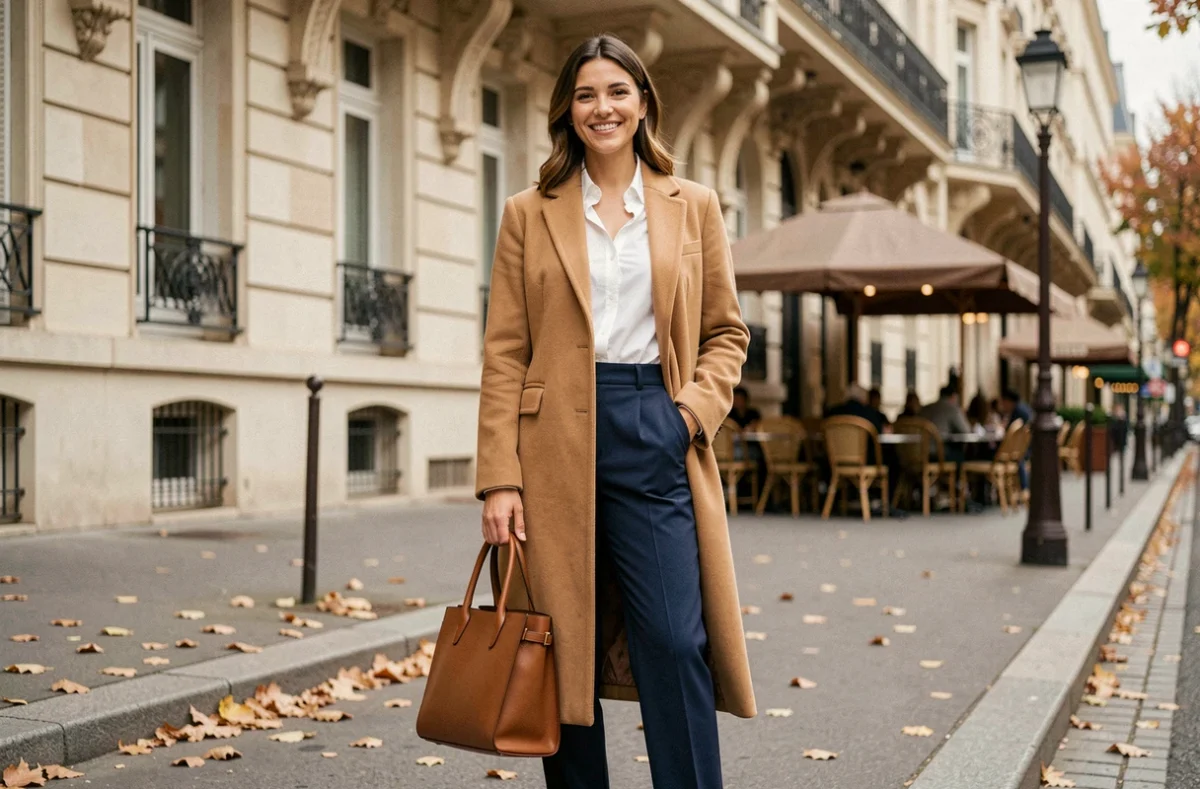
Adding these colors doesn’t mean overhauling your wardrobe. A plum knit sweater worn with straight-leg charcoal gray trousers is enough to break up a monochrome look with minimal effort. A rust-colored scarf tied over a beige trench coat has the same effect with even less commitment.
The pitfall is wearing too many bold shades in one outfit. A single colorful piece paired with neutrals (ecru, gray, navy) keeps the look balanced. The outfit ideas featured in the fashion section of Les Conseils de Mélanie offer a good illustration of how to apply this principle of balance to everyday outfits.
Structured everyday silhouettes: defined shoulders and pencil skirts
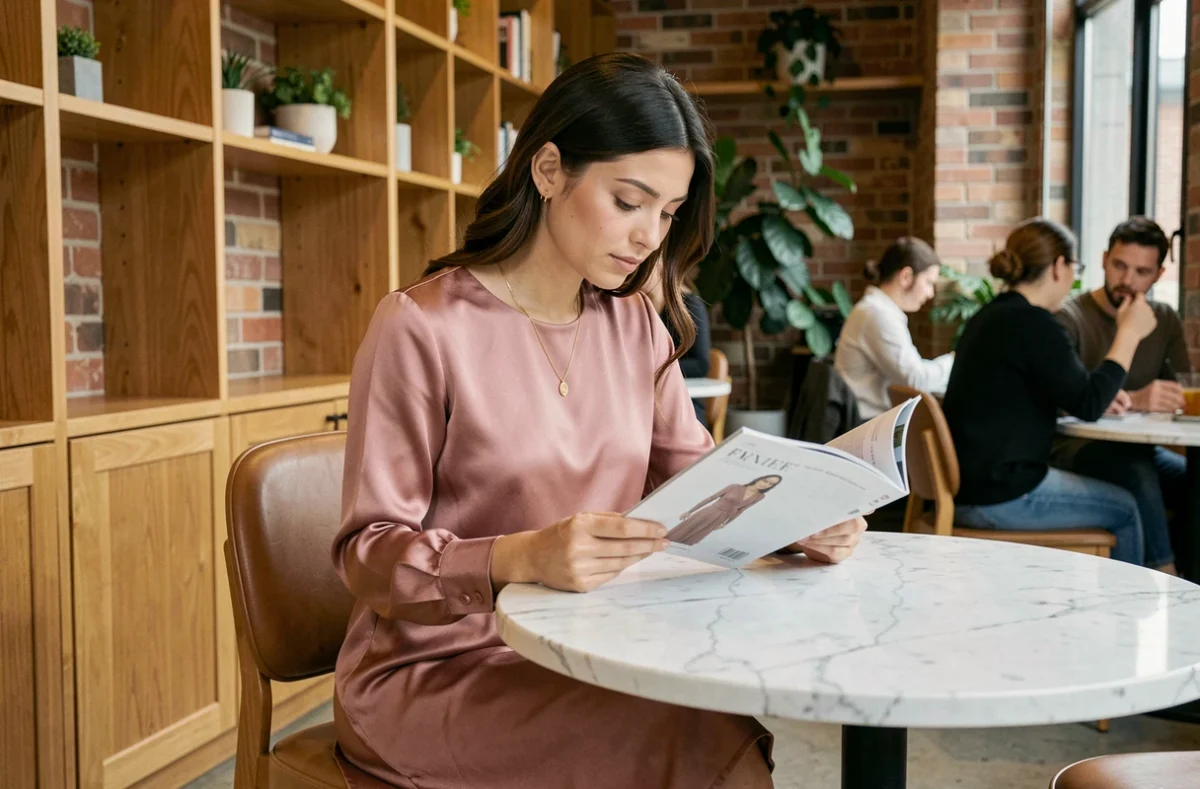
Le Parisien describes the return of 1980s influences in the Fall-Winter 2026-2027 collections: defined shoulders, roomy coats, and pencil skirts. This isn’t a return to caricatured power dressing. The idea is to build the silhouette around a single statement piece rather than going for a head-to-toe look.
A blazer with slightly structured shoulders, worn open over a simple T-shirt and dark-wash jeans, creates a polished look without feeling stiff. A pencil skirt works just as well with white sneakers as with low-heeled ankle boots.
How to choose between a statement piece on top or on the bottom
The rule is still to avoid overdoing it. If the top is oversized (an oversized blazer or roomy coat), it’s best to keep the bottom fitted. If the statement piece is on the bottom (a colorful pencil skirt or wide-leg pleated trousers), keep the top simple and close-fitting.
This principle of balancing proportions is nothing new, but it takes on particular significance this season as exaggerated cuts make a comeback. One statement volume per outfit is the limit to keep everyday elegance wearable.
Fabrics and care: making clothes last as a style choice
Competing articles often focus on premium fabrics (cashmere, silk, linen) without discussing what happens after purchase. A garment’s longevity depends as much on how it’s cared for as on its original quality.
In its report published in December 2025, Refashion states that its textile and footwear repair bonus supported more than 1.7 million repairs in two years. The program covers part of the cost of alterations at approved professionals. Having a hem taken up, a zipper replaced, or a pair of trousers adjusted costs less than buying new—and an altered garment fits better than a new one worn straight off the rack.
Which fabrics should you choose for everyday outfits?
Fabric choice affects comfort as much as appearance. For outfits worn five days a week, a few practical guidelines can help you decide:
- Heavyweight cotton or structured cotton jersey holds its shape after many washes, as long as you avoid high-temperature tumble drying.
- Fine merino wool regulates temperature and resists odors, so you can wash it less often without compromising freshness.
- Blends with a small amount of elastane (around 3 to 5%) add comfort and ease of movement to trousers and skirts without distorting the fit over time.
- Linen wrinkles naturally, making it better suited to loose-fitting pieces (an oversized shirt or flowing dress) where creasing becomes a textural effect rather than a flaw.
Secondhand fashion: a habit that changes how women put outfits together
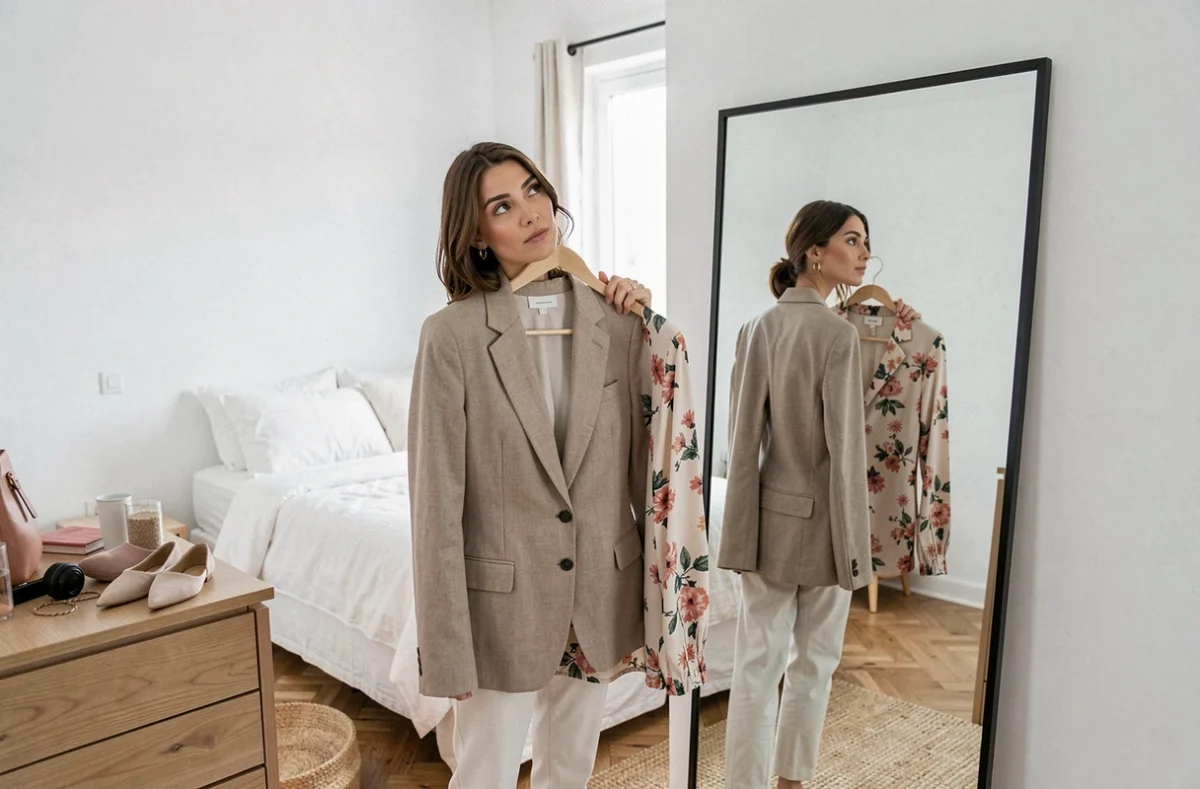
Secondhand shopping is no longer a parallel market. It changes the way we put looks together by giving us access to pieces that are no longer in stores. A blazer with a particular cut, pleated trousers from a brand that has changed creative direction, a midi dress in a discontinued color: secondhand shopping expands your style vocabulary beyond what’s available in stores.
The market’s growth comes with logistical challenges. The same Refashion report highlights shortcomings in textile collection, making some items harder to find and putting reuse networks under strain. Buying secondhand is still worthwhile, but the quality of what’s available varies by channel (physical thrift stores, online platforms, and clothing swaps).
How to check the condition of a secondhand garment before buying
A few quick checks can help you avoid disappointment:
- Check the seams under the arms and at the crotch, where tension is greatest and wear tends to show first.
- Inspect the collars and cuffs of shirts and blazers, which can yellow or fray before the rest of the garment.
- Test the zipper along its entire length. A sticking zipper can be replaced, but factor the alteration cost into the total price.
Everyday style depends less on accumulating new pieces than on being able to make what you already own last and pair it well. A streamlined wardrobe with a cohesive color palette, cuts that suit your silhouette, and well-cared-for clothes creates more elegant outfits than an overflowing closet full of pieces worn only once.