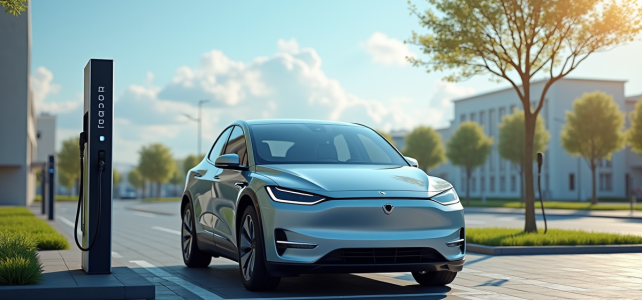
French authorities are considering new measures to combat automotive pollution, which accounts for a significant share of greenhouse gas emissions in the country. In the face of the climate emergency and the degradation of air quality, ambitious initiatives are being developed.
Among these projects are the expansion of low-emission zones (LEZ), increased promotion of electric and hybrid vehicles, as well as incentives for the use of public transport. These actions aim to encourage a sustainable change in travel habits while supporting the energy transition.
New Traffic Restrictions and Their Impact
In 2025, European standards will aim to impose strict targets to reduce CO2 emissions. Automakers will have to comply with an average emissions limit; otherwise, fines, which could amount to millions of euros, will be imposed. These sanctions are a lever to accelerate the ecological transition.
The Low Emission Zones (LEZ) will be gradually implemented in major cities such as Paris, Lyon, Marseille, Rouen, and Strasbourg. Vehicles classified as Crit’Air 3 will be banned from these areas. The measure aims to improve air quality by reducing pollution from road traffic, in line with recommendations from the World Health Organization (WHO).
Among the proposed measures, one of the most controversial is the highway limited to 100 km/h in 2025, an initiative that has sparked much debate. This project aims to reduce greenhouse gas emissions and road accidents. Speed cameras will be used for increased monitoring of drivers to enforce these new speed limits, initially tested in urban areas.
The technical inspection will be strengthened to verify vehicle compliance with the new standards. Consumers will need to adapt to these new constraints, while companies are revising their strategies to produce more electric cars, with sales expected to reach 25% of the market in 2025, up from 15% in 2023. The transition to more sustainable mobility seems inevitable. 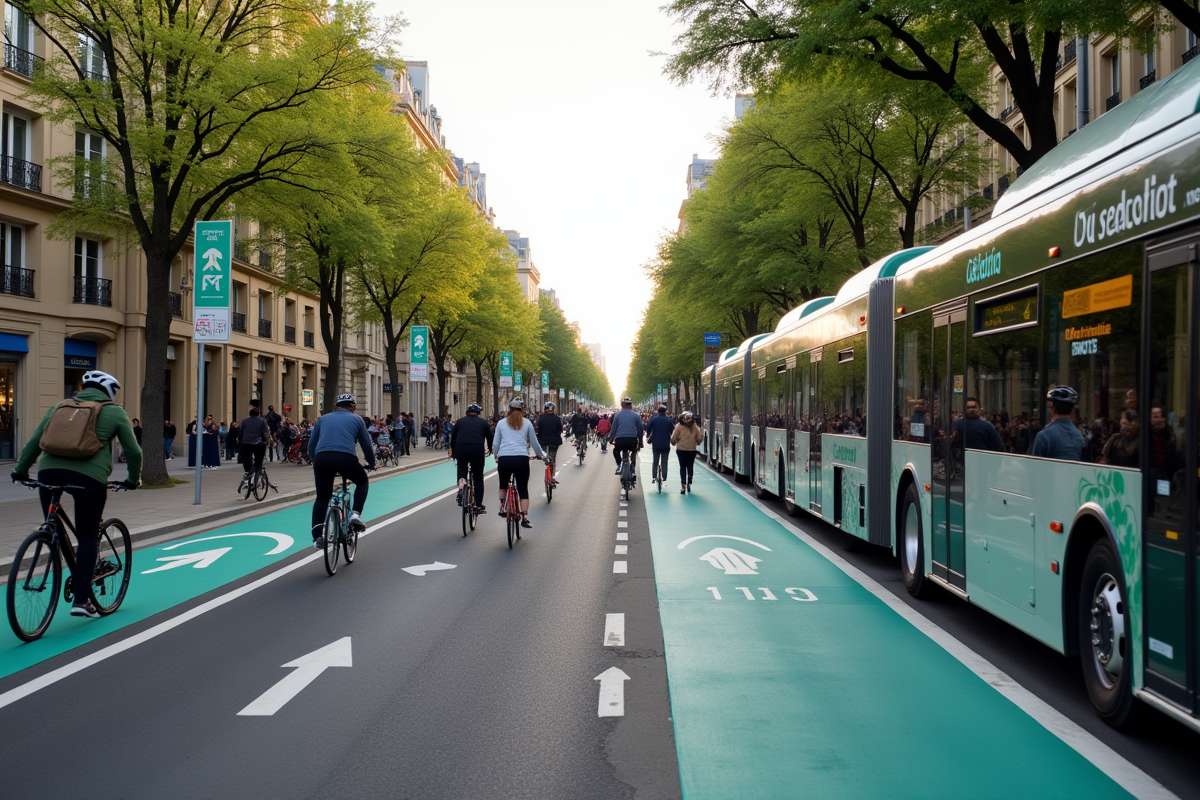
Financial Incentives and Purchase Aids
To support consumers in this transition, the government plans several financial aids. The ecological bonus, an existing aid, will now be reserved for low-income households. Capped at €3,000, it aims to make the purchase of less polluting vehicles more accessible.
- The ecological bonus: reserved for low-income households, capped at €3,000.
- The conversion premium: financial aid for replacing an old vehicle with a cleaner model.
The climate law also introduces social leasing, a scheme allowing the most modest households to rent electric vehicles at affordable rates. This measure aims to democratize access to electric cars while promoting a reduction in polluting emissions.
Plug-in hybrid cars, previously eligible for financial aids, will no longer benefit from these schemes. This decision reflects a desire to prioritize 100% electric technologies, seen as more environmentally friendly.
The government plans to strengthen the conversion premium to encourage the replacement of the most polluting vehicles. This aid, which can be combined with the ecological bonus, would further reduce the acquisition cost of electric cars. The goal is to shift the French vehicle fleet towards more environmentally friendly models.