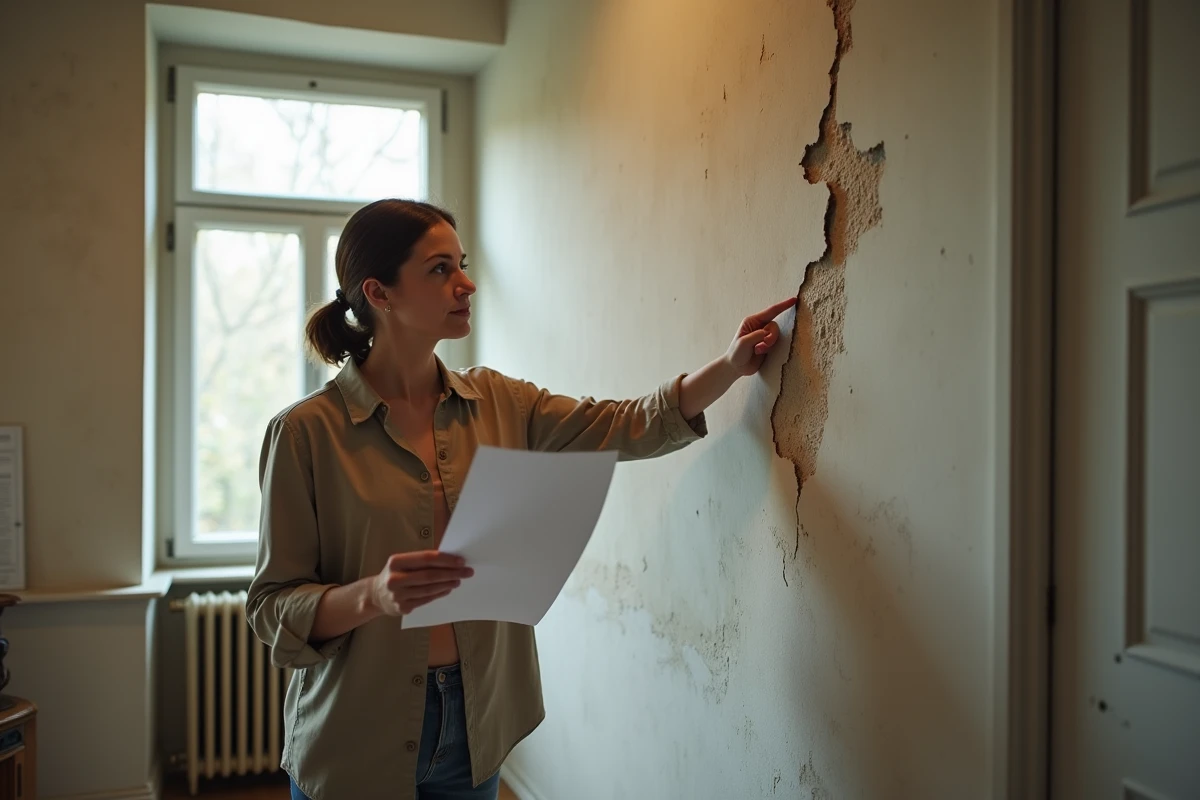
A faucet that has been leaking for weeks, a boiler that is broken in the middle of winter, mold spreading on a bedroom wall. You reported the problem to your landlord, but nothing is happening. This situation, common in rentals, is not inevitable. French law imposes specific obligations on landlords regarding the maintenance and repair of rented housing.
Decency obligation of rental housing: the lever that tenants underestimate
Before even discussing letters or formal notices, it is essential to understand the legal ground you are standing on. The law of July 6, 1989, requires the landlord to provide decent housing, meaning it poses no risk to the physical safety or health of the tenant.
Specifically, this covers heating, waterproofing, electrical installations, plumbing, and ventilation. If any of these elements are malfunctioning, the landlord is required to carry out the repairs at their expense.
Since 2023, regulatory pressure has intensified even further. Municipal services in some major cities can now issue work orders with very short compliance deadlines. A report to the town hall or the ANAH can trigger an inspection that forces the landlord to act, sometimes within the month following the order. This lever remains underutilized, even though it is remarkably effective for getting repairs done by your landlord when direct dialogue does not yield results.

Formal notice to the landlord: writing a letter that has an effect
Have you ever sent a simple text message or an email to your landlord to report a problem? This type of informal request creates no legal obligation. To initiate a real process, you need to go through a formal written document.
Registered letter with acknowledgment of receipt
This is the first structuring step. Your letter must contain three elements:
- A precise description of the disorder observed (nature of the problem, affected room, date of occurrence)
- A reminder of the landlord’s legal obligation, citing the law of July 6, 1989, and the relevant decency criteria
- A reasonable deadline for intervention, generally two months, beyond which you consider taking action
Keep a copy of the letter and the acknowledgment of receipt. These documents serve as proof that you have followed the amicable procedure. Without them, a judge may consider that the landlord was not properly informed.
When the landlord does not respond
The absence of a response after the set deadline opens the way to the next phase. You can then refer the matter to the departmental conciliation commission, a free organization that attempts to bring the tenant and landlord’s positions closer together.
Conciliation is not mandatory before going to court, but it often accelerates resolution. The landlord, officially summoned, realizes that the dispute could escalate.
Judicial recourse for tenants for unperformed repairs
If neither the letter nor the conciliation yields results, the judicial court becomes the last resort. The judge can order the landlord to carry out the repairs under penalty, meaning with a financial penalty for each day of delay.
You can also request a reduction in rent proportional to the damage suffered. For example, if an entire room is unusable due to an unaddressed water damage issue, the judge may decide that the rent should decrease as long as the situation persists.
To build your case, gather all useful elements:
- Photos and dated videos of the disorder
- Copies of letters sent to the landlord and any responses received
- Statements from neighbors or acquaintances who have observed the problem
- Any reports from a diagnostician or a bailiff
A bailiff’s report, although paid, constitutes a piece of evidence that is difficult to contest in court.

Loc’Avantages and energy renovation: negotiate rather than impose
Not all situations fall under conflict. Sometimes, the landlord is not acting in bad faith: they hesitate to incur heavy expenses, especially for energy renovation work.
The finance law for 2025 has extended the Loc’Avantages scheme until December 2027. This mechanism offers the landlord a tax reduction in exchange for a moderate rent and compliant housing. For the tenant, this is a concrete negotiation argument: by informing the landlord of this tax opportunity, you encourage them to undertake the necessary improvements without resorting to litigation.
Similarly, the use of a Renov’ Accompanist can unlock the situation. This accredited operator manages the project from start to finish: diagnosis, estimates, phasing of the work, assembling financial aid. For a landlord who does not know where to start, this support removes the main barrier, administrative complexity.
Urgent repairs in rentals: when the tenant can act alone
A particular case deserves to be highlighted. When a disorder directly threatens your safety (gas leak, partial collapse, serious electrical failure), you do not have to wait for the landlord’s response.
In the event of imminent danger, the tenant can carry out the repairs and request reimbursement from the landlord, provided they can prove the urgency and have attempted to notify them. A phone call followed by a text message and a registered letter is sufficient to document the attempt to contact.
Keep all invoices and request a written report from the contractor describing the nature of the urgency. These documents will be crucial if the landlord contests the reimbursement.
The boundary between repairs that fall under the landlord’s responsibility and routine maintenance that is the tenant’s responsibility remains a frequent source of disagreement. Replacing a faucet washer or unclogging a siphon is your responsibility. Replacing an outdated boiler or repairing a roof falls under the landlord’s responsibility. In case of doubt, the decree of August 26, 1987, lists the specific rental repairs.