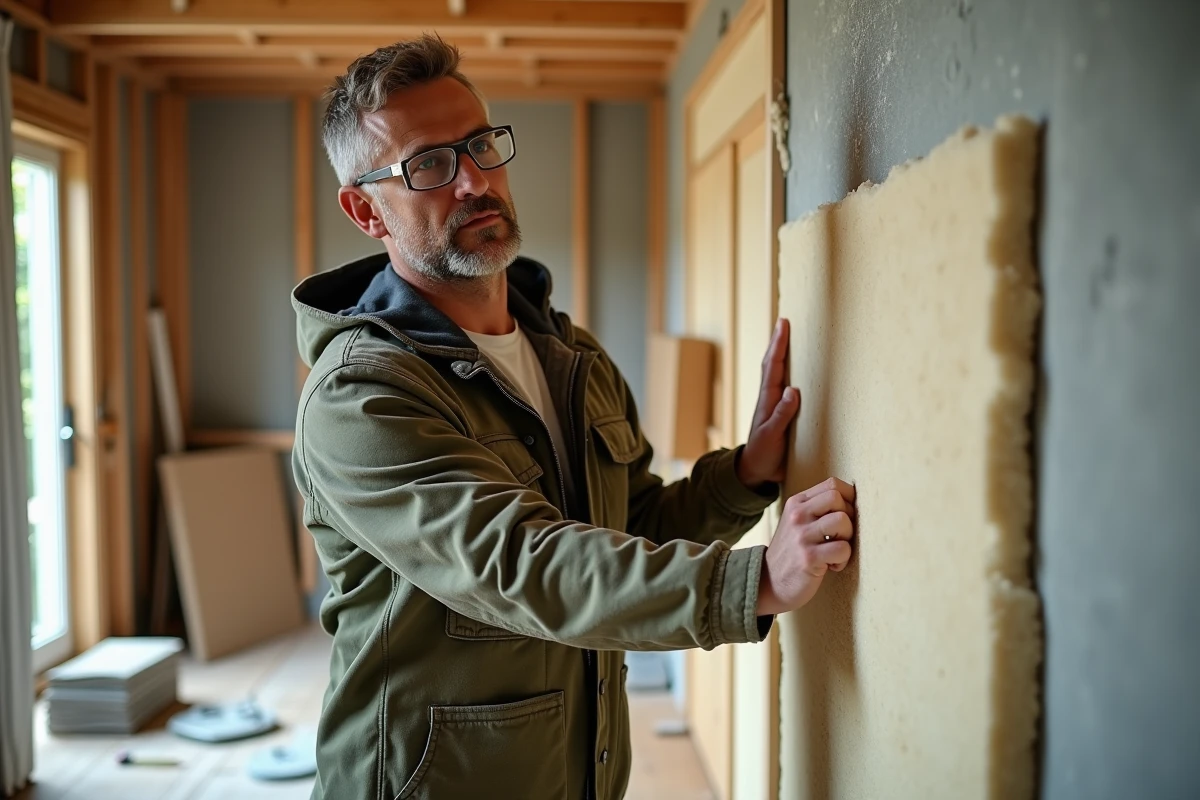
A well-insulated 1980s pavilion can become a moisture trap if ventilation is not reconsidered at the same time. We regularly see sites where insulation has been installed correctly, but where mold appears six months later due to inadequate air renewal. Energy renovation is not just about stacking technical actions: each intervention modifies the overall balance of the building.
Sealing and ventilation: the duo that energy renovation cannot separate
When the insulation of a home is reinforced, it reduces unwanted air infiltration. The building breathes less through its defects, which is the desired goal to limit heat loss. The problem arises when no one compensates for this new sealing with a properly sized ventilation system.
A single-flow mechanical ventilation system installed during the construction of a 1970s house was not calibrated for a home made nearly airtight by external thermal insulation and double-glazed windows. The airflow must be recalculated after each insulation action, not before, not independently.
On the ground, it is observed that the craftsmen who work on insulation and those who install ventilation do not always collaborate. Platforms like refair.fr help coordinate these trades to avoid silo interventions. Without this coordination, the risk of condensation in the walls increases, along with the degradation of materials and indoor air quality.

Indoor air quality after renovation: a frequent blind spot
There is a lot of talk about thermal performance, much less about what we breathe once the work is completed. Insulation materials, adhesives, paints, and new floor coverings emit volatile organic compounds (VOCs) for weeks, sometimes months.
Choosing low-VOC emission materials is not an ecological niche luxury. It is a precaution directly related to the health of the occupants, especially in children’s rooms and poorly ventilated spaces. A+ labels for indoor air emissions exist for construction products, and they deserve to be checked before every purchase.
Double-flow controlled mechanical ventilation, which filters incoming air while recovering heat from outgoing air, provides a solid technical response. It costs more than a single-flow system, but it simultaneously improves energy performance and air quality. Feedback varies on the level of maintenance required depending on the models, but cleaning the filters every three to six months remains the common rule.
Bio-sourced materials and hygrothermal comfort
Wood fiber, cellulose wadding, or cork do not just insulate. These materials naturally regulate humidity in the walls, which limits condensation phenomena without solely relying on mechanical ventilation.
Their implementation requires specific expertise. Cellulose wadding blown in with insufficient density settles over the years and loses its insulating power. The choice of material matters, but the quality of the installation is equally important.
Energy renovation and the resale value of the property: what the DPE changes
Since the energy performance diagnosis (DPE) became enforceable, the energy class of a property directly impacts its sale price. A property rated F or G is negotiated with a significant discount compared to a property rated D or C in the same neighborhood.
Anticipating the transition from a poor energy class to a correct class protects the property’s value over ten to twenty years. The gradual restrictions on renting thermal sieves reinforce this issue for landlord owners.
The DPE does not measure everything. It evaluates theoretical energy consumption and greenhouse gas emissions, but it says nothing about air quality, acoustic comfort, or the durability of materials. A renovation thought solely to improve the DPE letter may overlook structural problems (residual thermal bridges, moisture in the walls) that will degrade the building in the medium term.
Order of operations and overall coherence
The sequence in which the work is carried out is not trivial. Replacing a boiler with a heat pump before insulating the attics and walls amounts to oversizing the equipment for a need that will subsequently decrease. You pay more at installation, and the efficiency is suboptimal.
The logic to follow for a coherent renovation:
- First, insulate the building envelope (attics, walls, ground floor) to reduce heating needs before sizing the equipment
- Adapt the ventilation to the new level of sealing to maintain sufficient air renewal and avoid humidity
- Replace the heating system last, calibrating it to the actual needs of the renovated home
- Treat the joinery in parallel with the insulation of the walls to eliminate thermal bridges at junctions
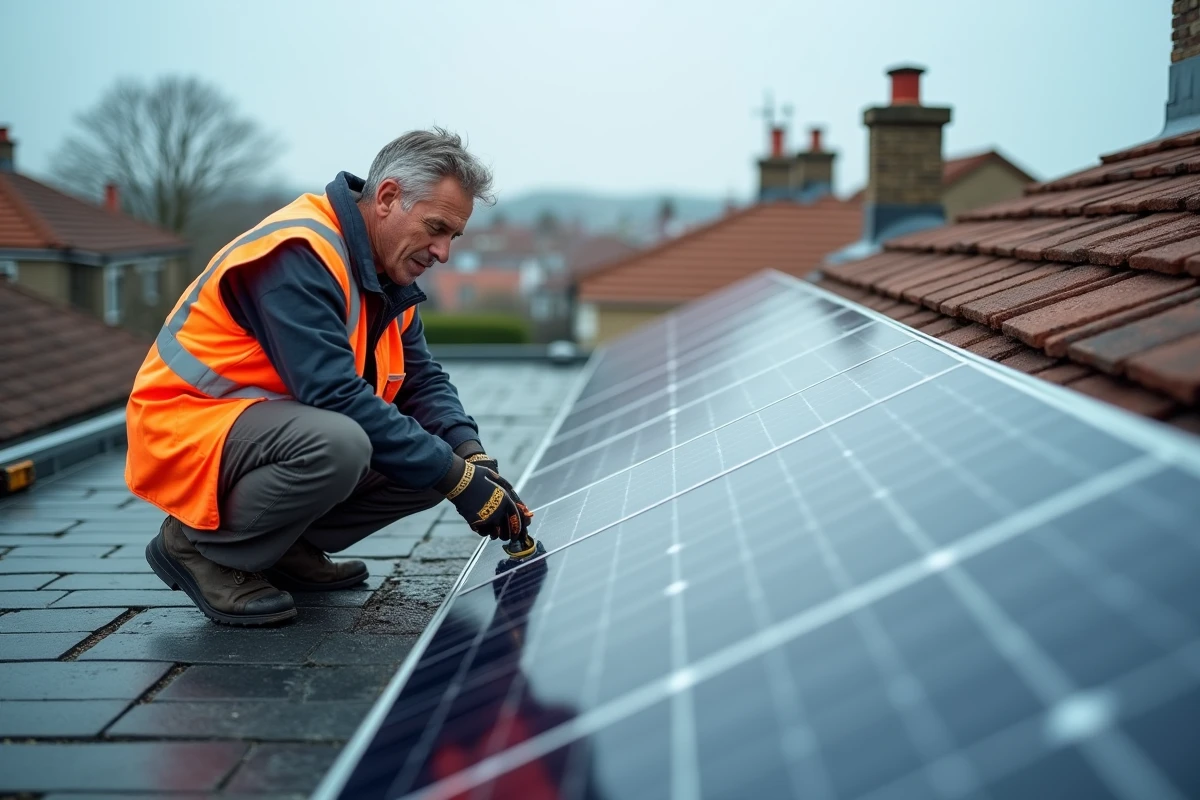
Financial aid for renovation: what really conditions the remaining charge
Assistance programs (MaPrimeRénov’, energy savings certificates, zero-interest eco-loans) frequently evolve. The amount of the remaining charge depends on the combination of household income, the type of work, and the targeted energy gain.
A comprehensive renovation is better subsidized than a series of isolated actions. The aid is more generous when aiming for a jump of several DPE classes in a single operation. This encourages the design of a complete work plan from the outset rather than proceeding item by item over the years.
Using a Rénov’ advisor (Mon Accompagnateur Rénov’) has become mandatory to access certain aids for extensive renovations. This program adds an administrative step, but it allows for checking the technical coherence of the project before the work begins.
A methodically renovated home, in the correct order, with materials suited to the existing building, remains efficient and healthy well beyond the first decade. Neglecting ventilation or the order of interventions to save in the short term ultimately costs more in rework, discomfort, and loss of value upon resale.